Da li je ideja kreatora svetskog poretka sve veće siromašenje nacija ili bogaćenje pojedinaca? Ili je cilj povećanje razlike ne u bogadstvu već u uslovima života? Gospodo: Gde je tu konvergencija, ravnopravnost, solidarnost… ili su priče o i globalnom zagrevanju, borbi protiv siromaštva, jednakosti samo šargarepa za sve neobrazovanije (gluplje) narodne mase?!? Kako drugačije da započnemo analizu bez konstatacije da samo 26 ljudi poseduje toliko bogatstva koliko je najsiromašnijih 50% (3,8 milijardi) ljudi na svetu.
Odavno je prevaziđen trend miolionera (prvi milion) – danas govorimo o milijarderima (prva milijarda). Njihov trend je „dramatično“ rastući. Mogli bi reći, zabrinjavajuće rastući – svaka dva dana pojavi se novi milijarder. Od ove krize broj milijardera je udovstručen!
Bogatstvo više od 2.200 milijardera širom sveta povećano za 900 milijardi dolara u 2018. godini – ili za 2,5 milijarde dolara dnevno. Povećanje bogatstva od 12% u poređenju sa padom 11% bogatstva najsiromašnije polovine svetskog stanovništva. Bogatstvo najbogatijeg čovjek na svetu Jeff Bezosa, vlasnika Amazona, dostiglo je 112 milijardi dolara. Samo 1% njegovog bogatstva ekvivalentno je čitavom zdravstvenom budžetu Etiopije, zemlje od 105 miliona ljudi.
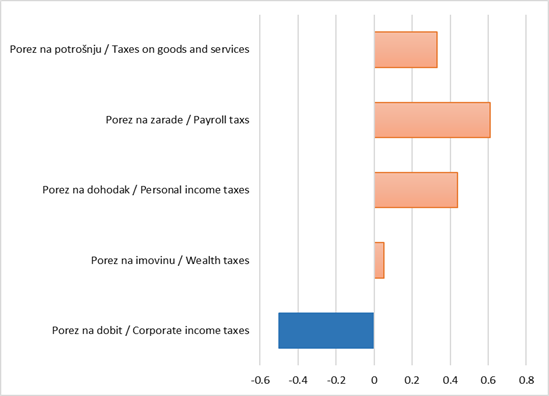
U poslednjih 100 godina značajno je povećano bogatstvo bogatih pojedinaca, koji skrivaju deo novca na tajnim računima u poreskim rajevima. Velike korporacije plaćaju niže poreske stope nego što su plaćale decenijama unazad. Zato su porezi povećani domaćinstvima i pojedinicima (dohodak, zaradu, robe i usluge).
Istina, globalno siromaštvo je smanjeno, ali zahvaljujući višedecenijskom rastu azijskih ekonomija (Azijski tigrovi, daleko više Kine, poslednje dve decenije i Indije). U Kini je novi realne zarade dostigao 70% američkih realnih zarada, za poslednjih 20 godina (početkom 2000ih godina bio 20%). Međutim, u subsaharskoj Africi siromaštvo je u porastu.
Kada bi analizirali svaki dodatni dolar prihoda u svetu 50% najsiromašnijih jedva da imaju 15 centi. Gotovo trećina (oko 30 centi) dodatnog dolara ostane u rukama najbogatijih, koji čine 1%.
Jedini pravedni način, ako pravda (ne, pravo) postoji u krugovima bogatih, da se smanjuje razlika bogatih i siromašnih, u korist ovih drugih jeste oporezivanje bogatih. Globalna nejednakost se ipak ne može režiti samo oporezivanjem dohotka ili raspoloživogbogatstva, već i restrukturiranjem vlasništva i kontrole sredstava za proizvodnju i resursa na globalnom nivou.
Izvor: Oxfam
Is the idea of the creator of the world order the increasing impoverishment of nations or the enrichment of individuals? Or is the goal to increase the difference not in wealth but in living conditions? Gentlemen: Where is the convergence, equality, solidarity … or are the stories about global warming, the fight against poverty, equality just carrots for all the uneducated (naive) masses?!? How else to start the analysis, not to mention that only 26 people own as much wealth as 50% of the poorest (3.8 billion) people in the world.
The trend of millionaires (the first million) has long been overcome – today we are talking about billionaires (the first billion). Their trend is “dramatically” growing. It could be said that it is growing worryingly – a new billionaire appears every two days. Since this crisis, the number of billionaires has doubled!
The wealth of more than 2,200 billionaires worldwide grew by $ 900 billion in 2018 – or $ 2.5 billion a day. A 12% increase in wealth compared to an 11% decrease in the wealth of the poorest half of the world’s population. The fortune of the richest man in the world, Jeff Bezos, the owner of Amazon, reached 112 billion dollars. Only 1% of its wealth is equivalent to the entire health budget of Ethiopia, a country of 105 million people.
In the last 100 years, the wealth of rich individuals has significantly increased, who hide part of their money in secret accounts in tax havens. Large corporations pay lower tax rates than a few decades ago. As a result, taxes for households and individuals (income, wages, goods and services) have increased.
True, global poverty has been reduced, but thanks to decades of growth in Asian economies (Asian tigers, far more China, India in the last two decades). In China, new real wages have reached 70% of real wages in the United States, up from 20% in the last 20 years (early 2000s). However, in sub-Saharan Africa, poverty is on the rise.
If you analyze every extra dollar of income in the world, 50% of the poorest have barely 15 cents. Almost a third (about 30 cents) of the extra dollar remains in the hands of the richest, who make up 1%.
The only just way, if justice (no, right) exists in the circles of the rich, to reduce the gap between rich and poor, in favor of the latter is to tax the rich. However, global inequality cannot be solved only by taxing income or available wealth, but also by restructuring the ownership and control of means of production and resources at the global level.
Source: Oxfam